Interspecies was a nonprofit organization active from 1979 - 2014 focused on developing wilderness programs that gave artists access to nature with the objective of co-creating an aesthetic based on interactive relationships with wild animals and habitat.
History
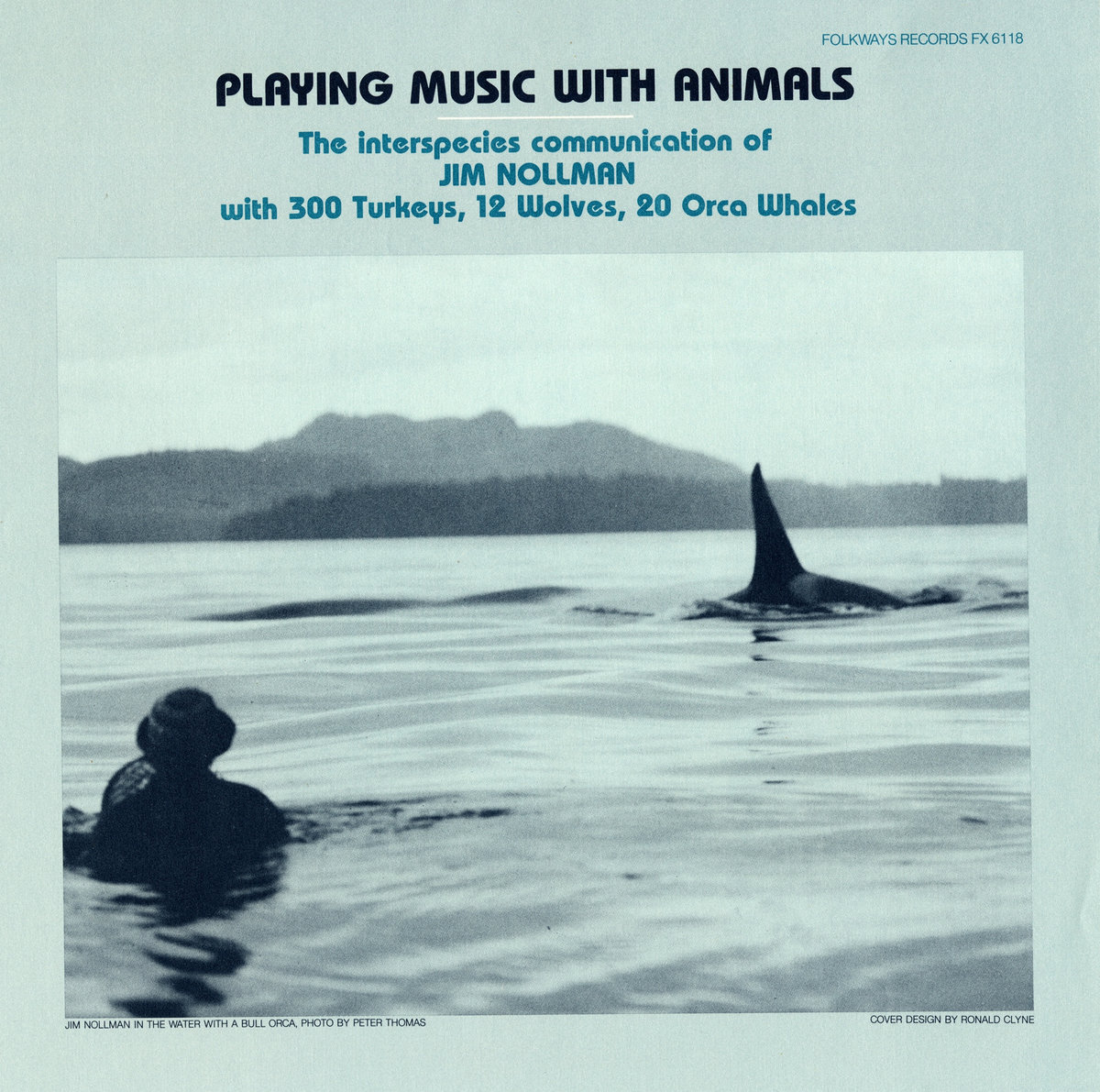
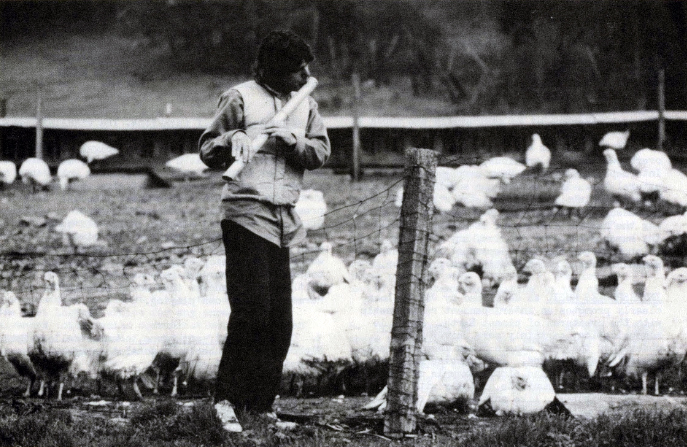
Interspecies was founded and led by conceptual musician, writer and environmentalist Jim Nollman. Born in Boston, Massachusetts in 1947, Nollman received a degree in English Literature from Tufts University, where he also learned to compose incidental music for theater. After relocating to the San Francisco Bay Area in 1970, Nollman became involved with the post-Cage avant-garde, producing experimental radio pieces for the legendary KPFA station in Berkeley, California. These pieces were his first experiments with interspecies musical collaboration, famously including an acapella rendition of the folk song “Frog Went a Courtin’” accompanied by 300 turkeys, as well as pieces featuring interactions with kangaroo rats in Death Valley, California and wolves north of Reno, Nevada.
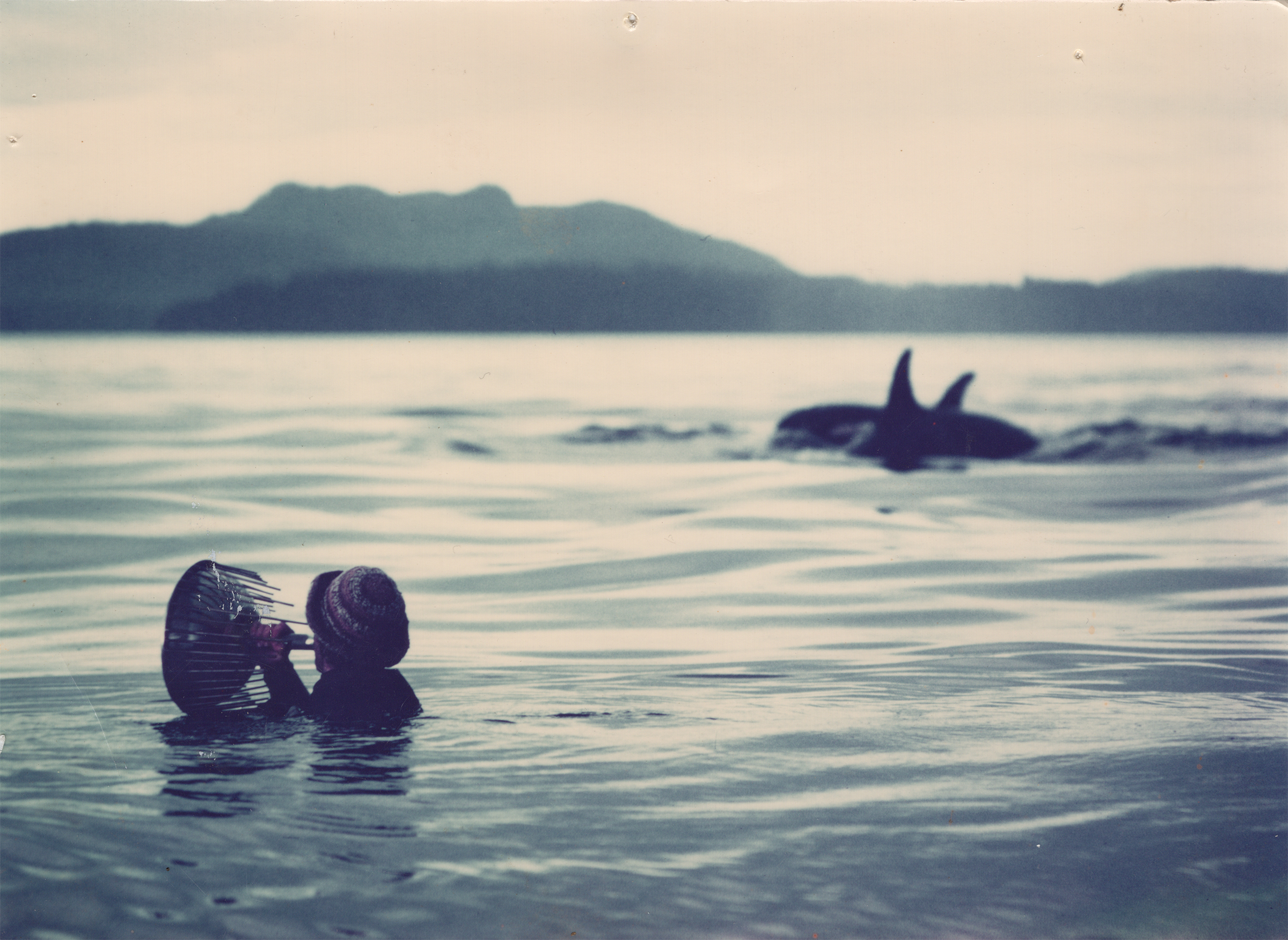
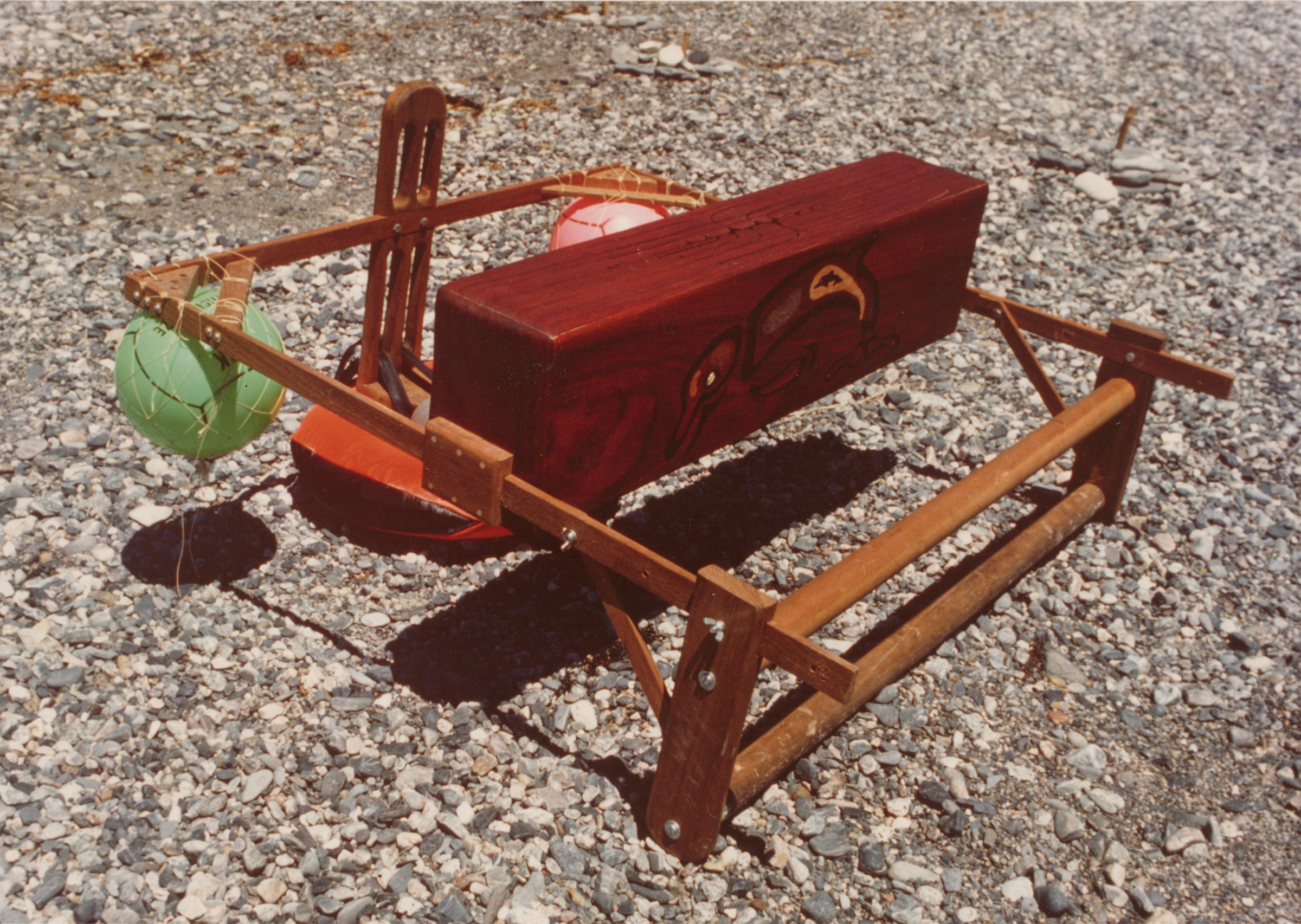
By 1975, Nollman was living in Bolinas, California where he received a grant from the newly-founded California Arts Commission to build a buoyant drum with a seat and outriggers to interact with several different cetacean species in the wild. It was in Bolinas that Nollman began his career as an author, penning an article for the CoEvolution Quarterly (a subsidiary journal of the Whole Earth Catalog) documenting his experiences of playing live music with animals. In 1976, he joined saxophonist Paul Winter, soundscape ecologist Bernie Krause, and neuroscientist Paul Spong in a Japanese film production about playing music with wild orcas.
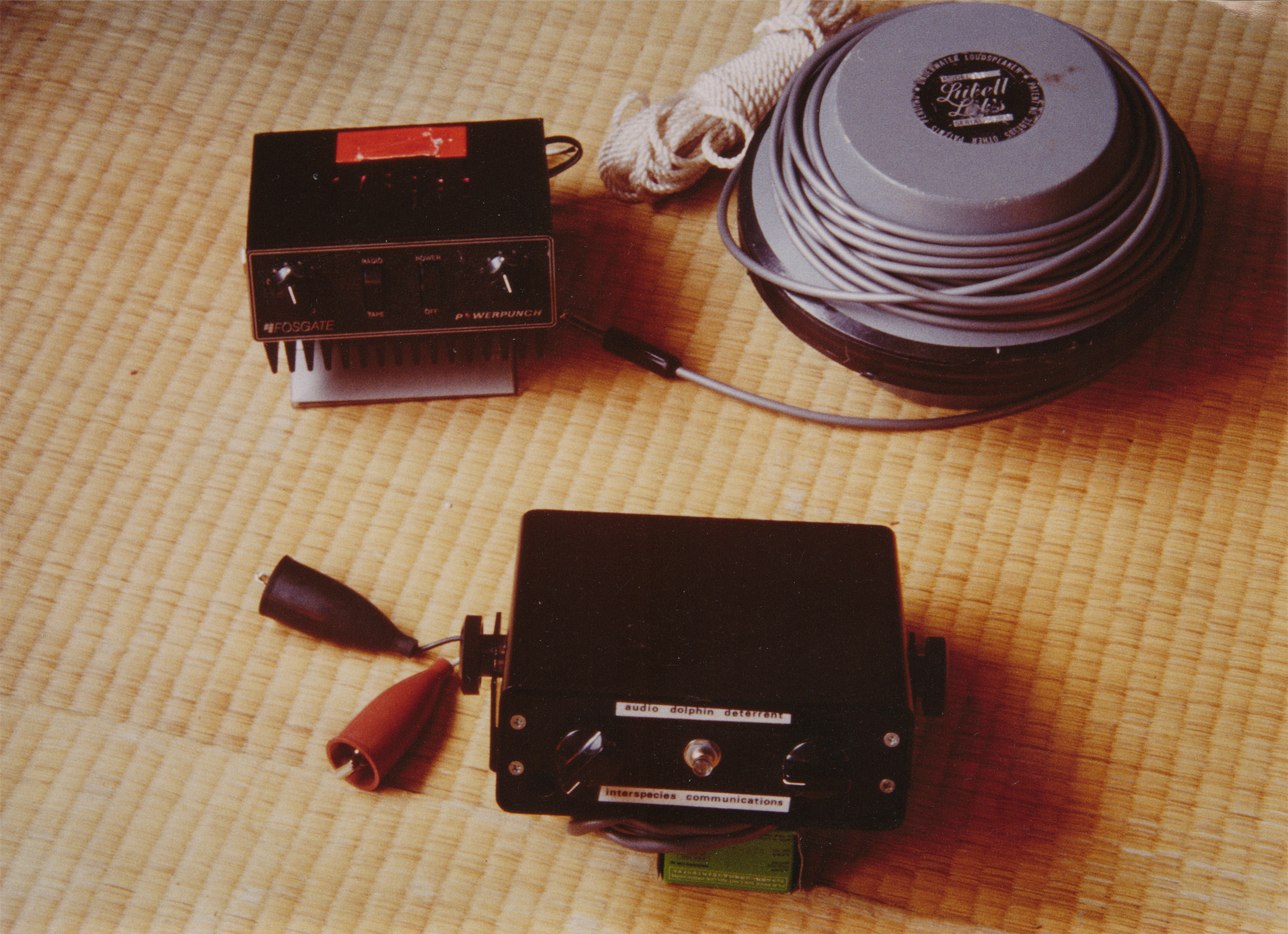
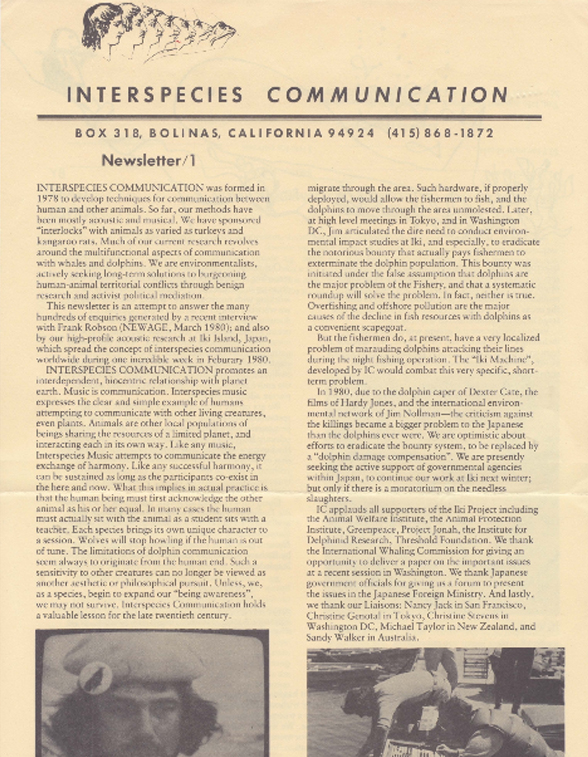
Through this work, Nollman developed a reputation for his interspecies endeavors and, in 1977 , was invited by a fledgling Greenpeace to participate in a project combatting the brutal dolphin drive fishing practices on Iki Island, Japan – a practice later made famous by the 2009 documentary "The Cove". During his time in Japan, Nollman developed early prototypes for improving underwater music transmission and recording. One such system was modified to protect the dolphins from local fishermen by creating an “underwater acoustic fence” around individual fishing boats.
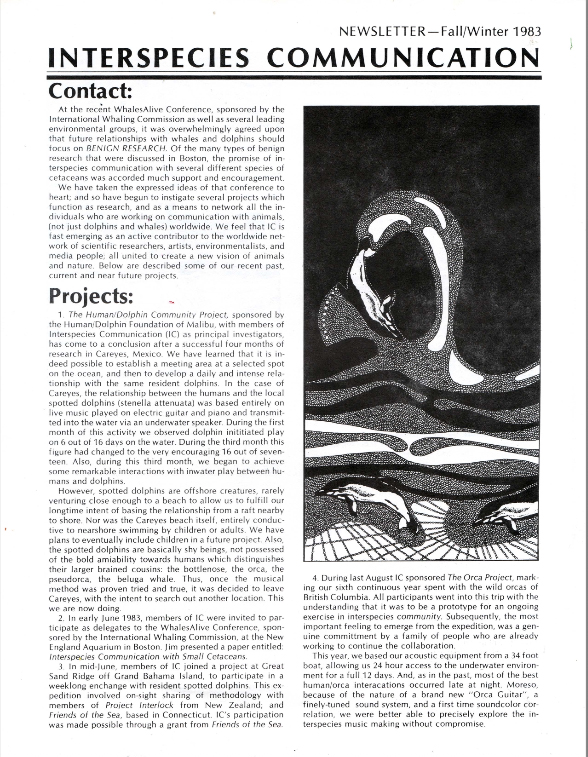
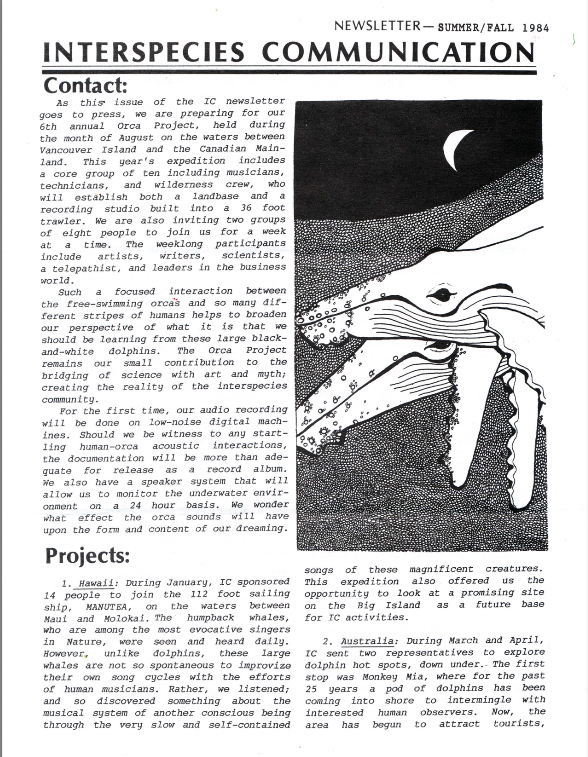
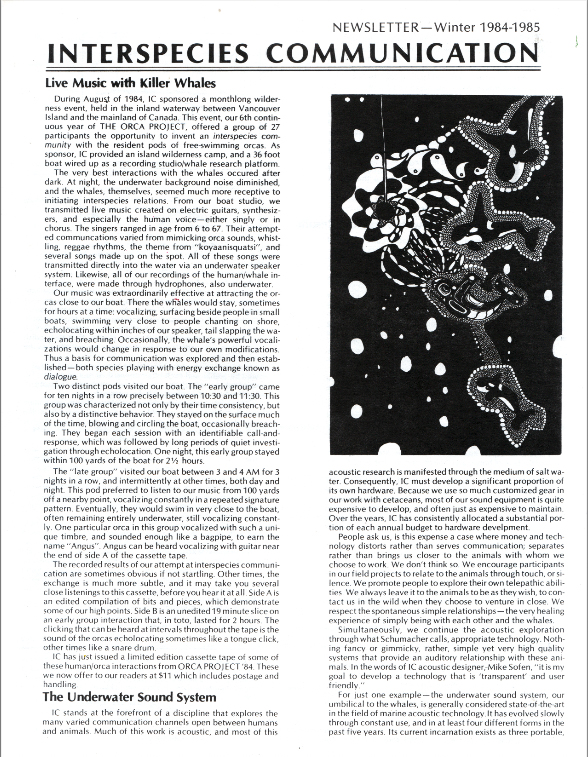
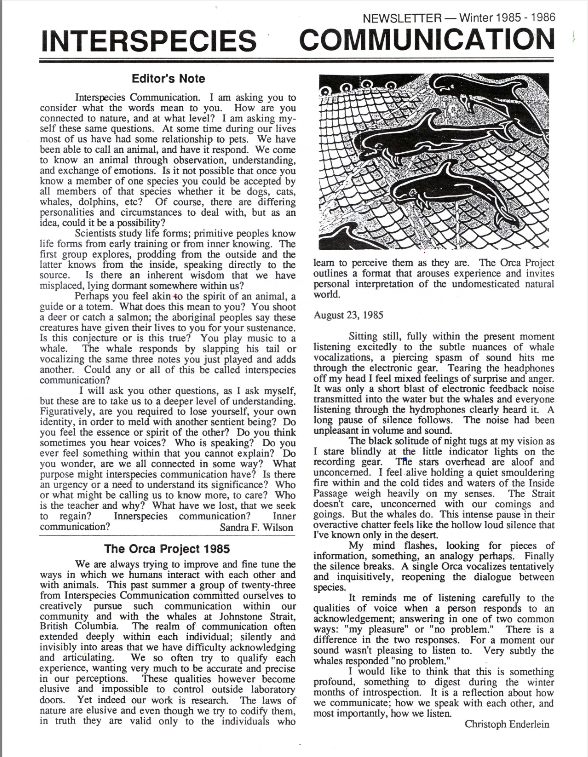
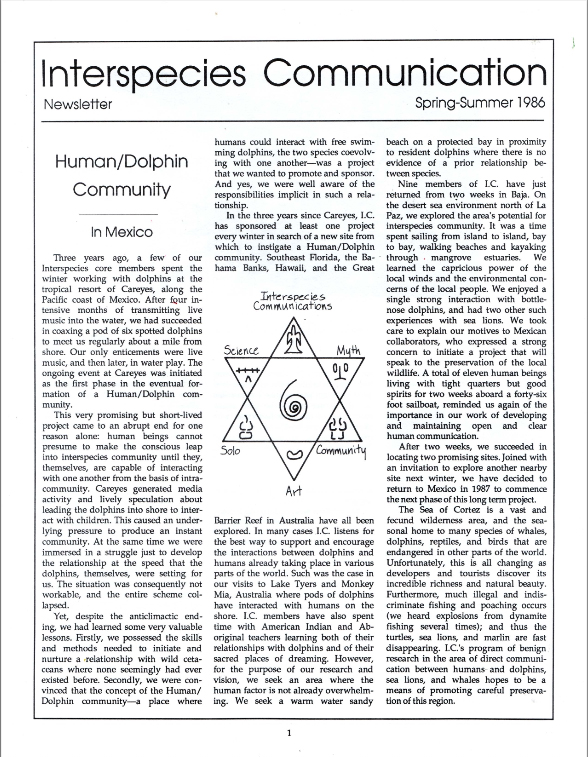
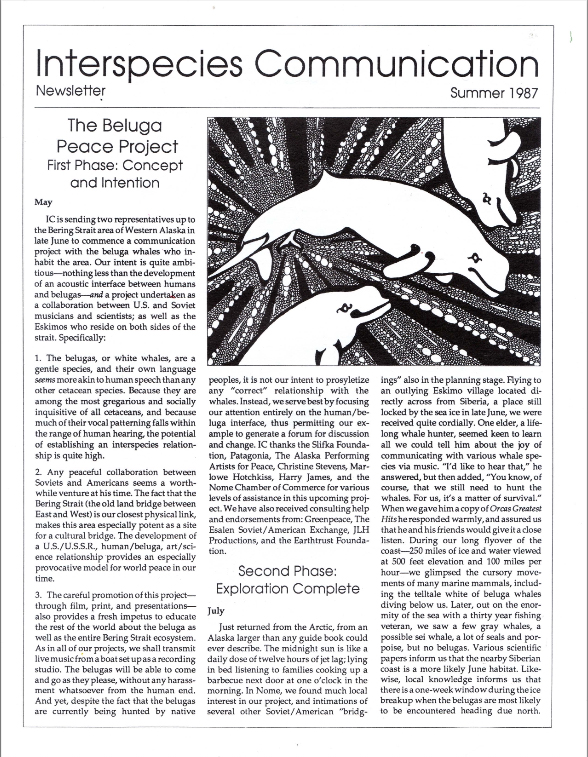
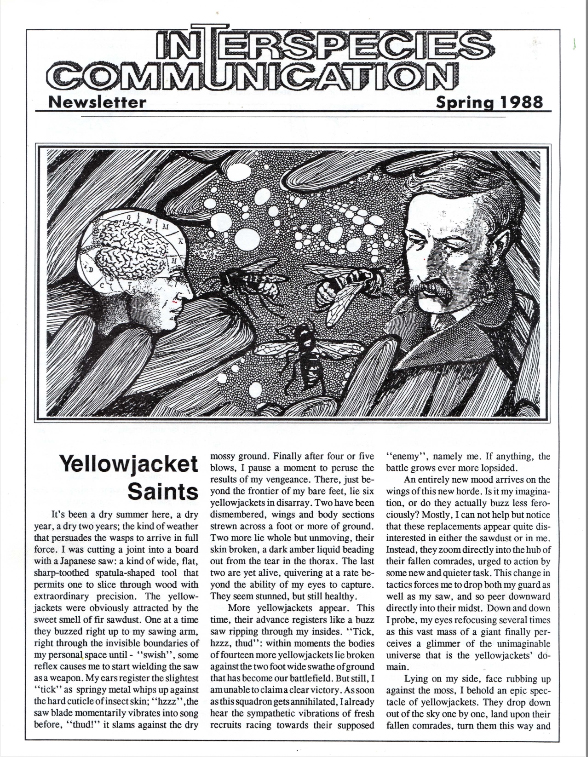
Interspecies Communication, Inc. was incorporated as a 501(c)(3) non-profit organization in 1979 as means of formalizing this original work, developing a community around a shared artistic vision, and establishing a network of committed sponsors to support the artists, writers, and philosophers exploring new approaches to environmental art, eco-philosophy, and other works demonstrating novel means of communicating with nature. The first issue of the Interspecies Newsletter - a physical missive sent out to all Interspecies Communication members and donors - was written and published by member Susanna Scanlon in early 1980, documenting Nollman’s eco-protest and technological work at Iki Island. Newsletters were published intermittently over the next few years, eventually becoming a quarterly publication in 1983 under the editorial leadership of Sandra Wilson. From 1988-2005 Nollman served as editor-in-chief with layout and printing provided by Marshall Davis.
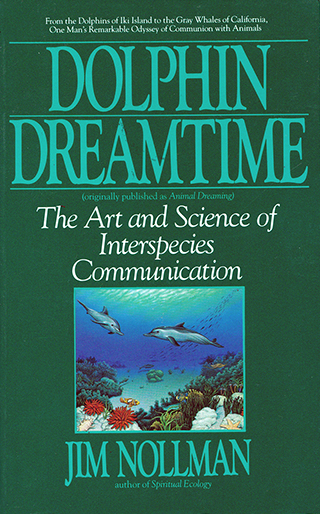
The Interspecies Newsletter proved to be a successful tool for developing an active international membership. Nollman provided the lion’s share of the writing, with many of his articles eventually being re-formatted as essays and stories in periodicals including Utne Reader, Orion Magazine, The Sun, and New Age Journal, as well as his own books published by Bantam Press, Henry Holt Publishing, and the Sierra Club Press. Additional newsletter contributors include Paul Watson formerly of Sea Shepherd, Animal Rights advocates Marc Bekoff and Ben White, Greenpeace co-founder Rex Weyler, Mike Cohen of Project NatureConnect, and artist Daniel Dancer.
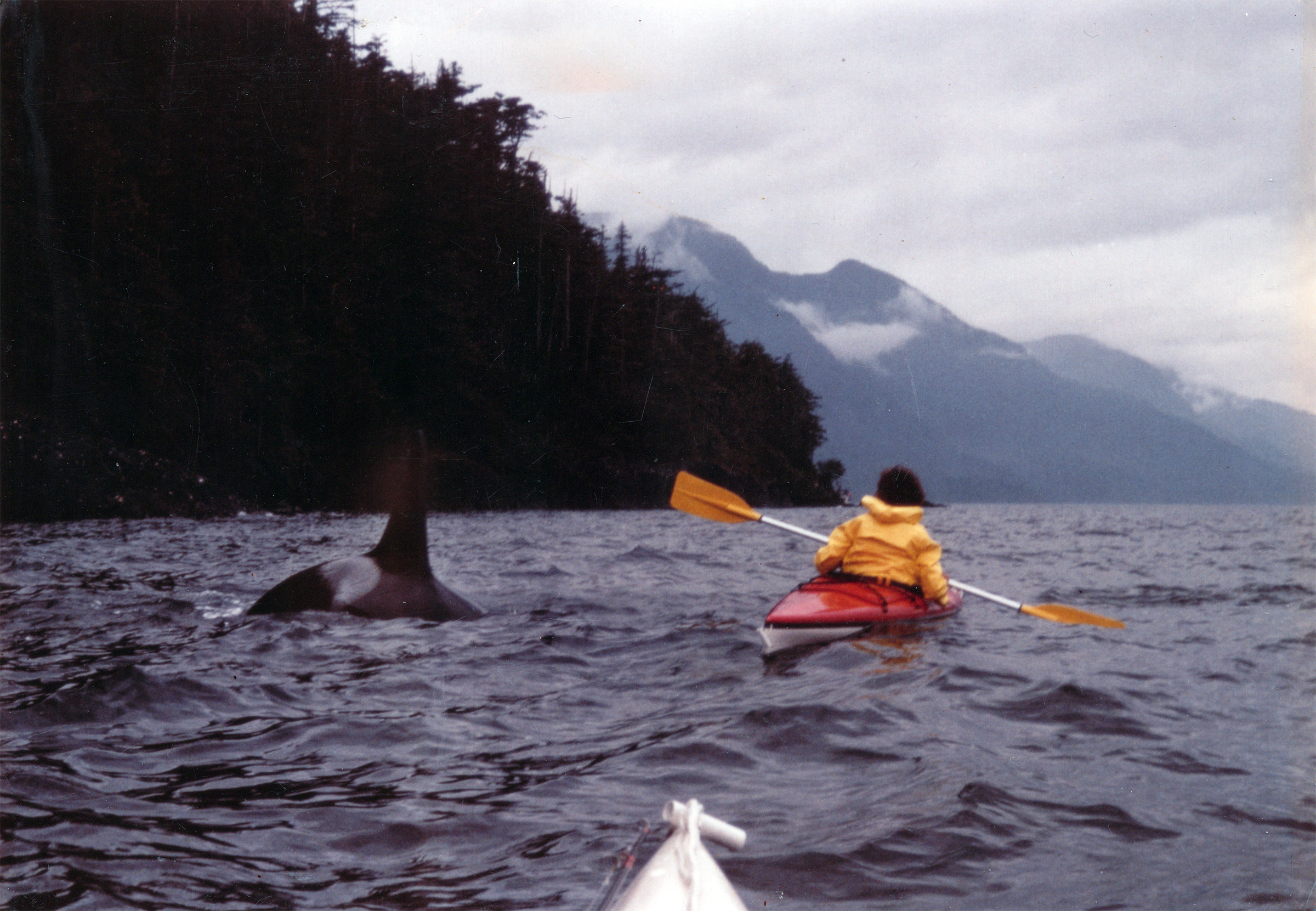
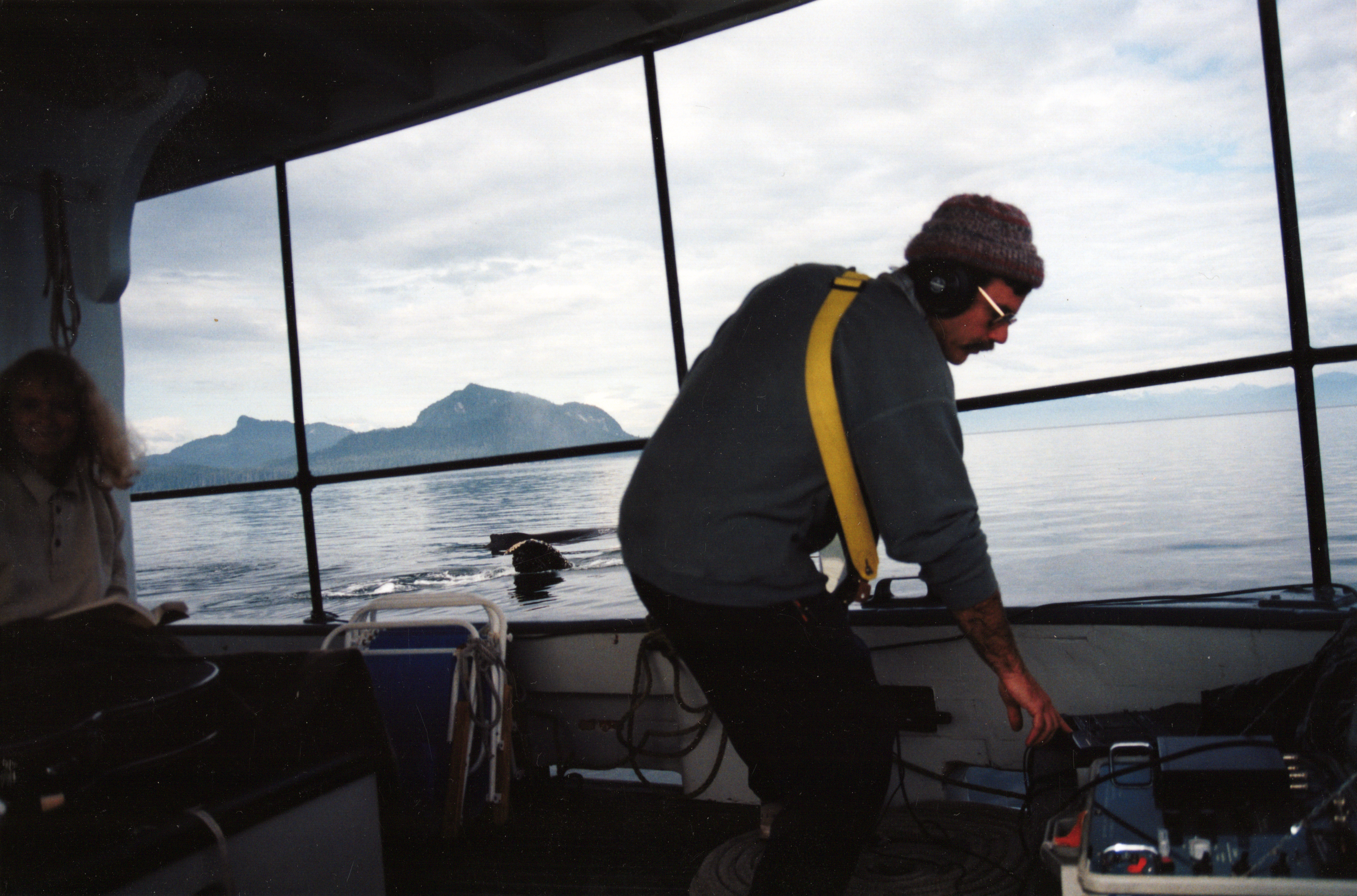
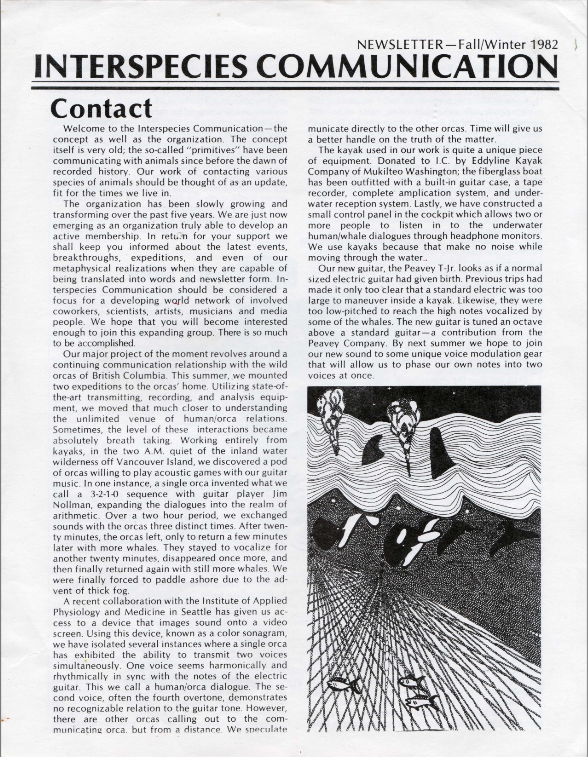
During the mid-1980s Interspecies Communication crystallized into a vital source of countercultural activity in the environmentalism and avant-garde artistic practices of the time. The multifaceted projects of Interspecies Communication were increasingly being funded by generous donations from readers of the newsletter in addition to support from various donors, grants, and media appearances. Virginia Coyle came onboard in 1984 as a uniquely gifted event producer, and along with Katy Nollman as project manager expanded the organization's operational range to include the Human/Dolphin Foundation, a collaboration with John and Toni Lilly in Careyes, Mexico; the Orca Project an annual expedition to the Johnstone Strait in Canada to record musical interactions with wild orcas; and collaborative efforts with the indigenous Aborigines of Lake Tyers, Australia to rescue a stranded dolphin pod.
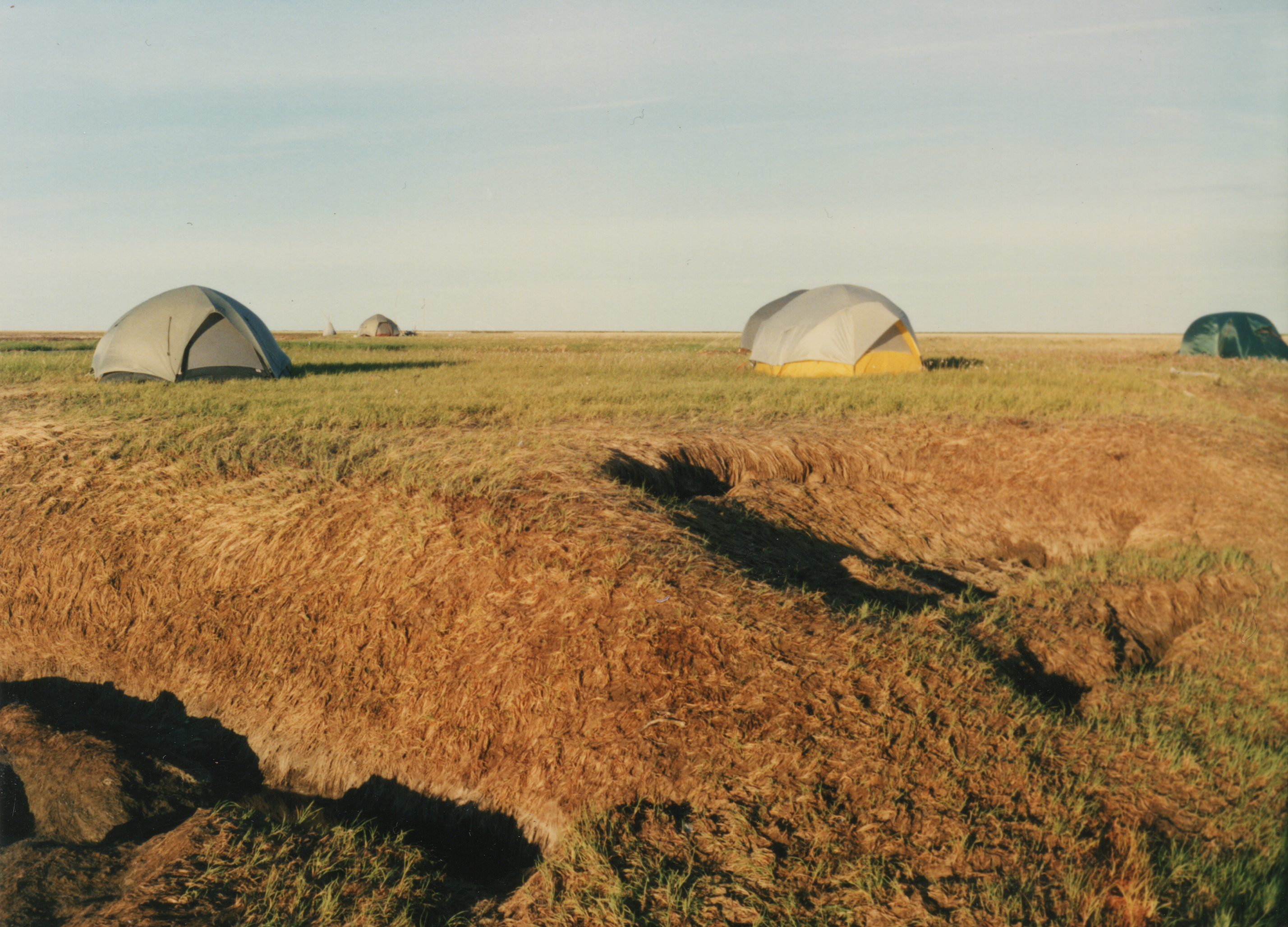
Jim Nollman focused on the development of custom electronics and recording equipment for in-situ recordings of animals and environment via hardware and software contributions by Brian Lubell of Lubell Labs, and engineers Richard Ferarro, Mike Sofen, and Mark Fischer. In 1987, Interspecies was invited by Greenpeace, Alaska Department of Fish and Game, and the indigenous Iñupiat community to use music and sound to help free gray whales caught in an ice hole off Barrow, Alaska. By the early 1990s, the organization had established longterm communication programs with beluga whale populations in the Canadian High Arctic and the Russian White Sea. A long term collaboration with writer and conceptual artist Micky Remann resulted in the implementation of four unique underwater musical performances in Berlin, Germany where audience members floated in heated pools. Throughout this time, Jim Nollman continued to give lectures talks, lead seminars, and exhibit internationally on interspecies communication and music.
Interspecies Communication - renamed simply interspecies.com at the dawn of the Internet Age - remained vigorously active, with members and volunteers from around the world, until its dissolution in 2005. During its tenure, the organization remained unique. With a formal research program dedicated to interfacing with animals, plants and the non-living environment through music, art and ceremony, Interspecies was ahead of its time artistically, scientifically, and spiritually, while also honoring traditional relationships between humans and the natural world as expressed by indigenous peoples around the globe. This interdependent connection seems especially pertinent in our current moment, as human beings navigate an environmental crisis that demands a fundamental re-consideration of our species with and within the fabric of Nature.
"The world itself can only be perceived as a unity upon which we all live and die, grow and collaborate."
Writings
The large part of Interspecies cultural production was text-based, from firsthand reportage of on-going projects, to personal essays, poetry, and fiction. These works were published primarily in a quarterly newsletter and have also appeared in numerous published anthologies and publications internationally.
The entire collection of the physical newsletters are made available here for scholarship, education, and research purposes.

Published Works
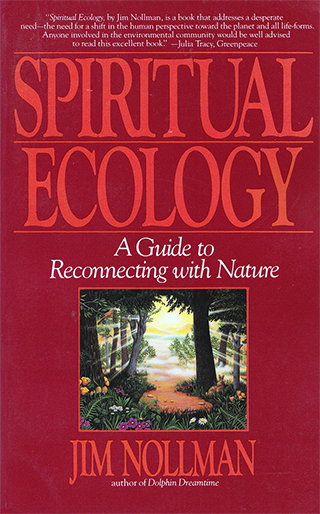

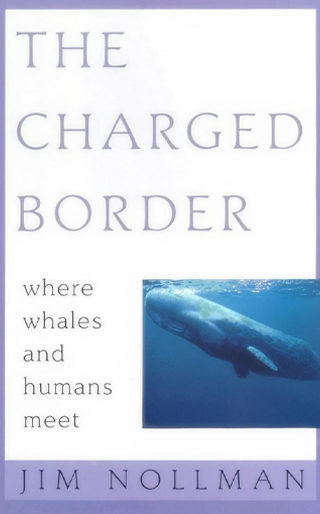
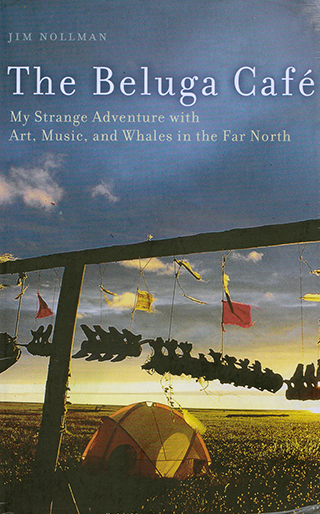
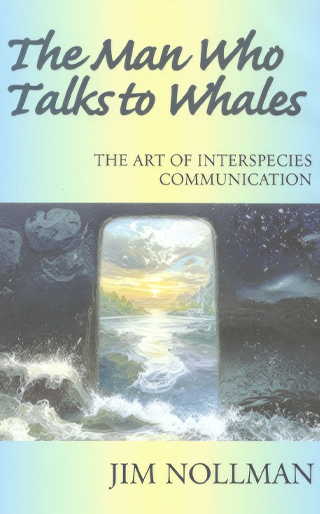
Music
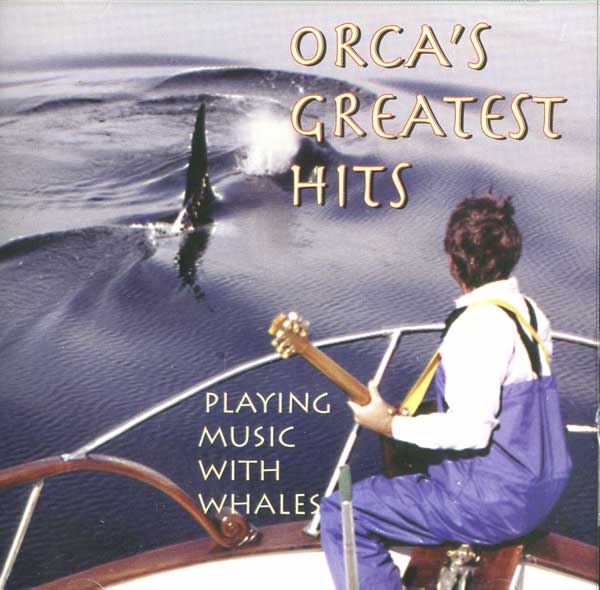
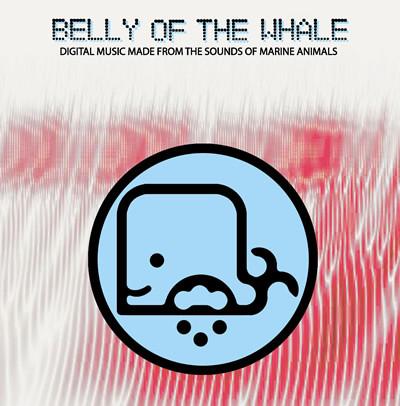
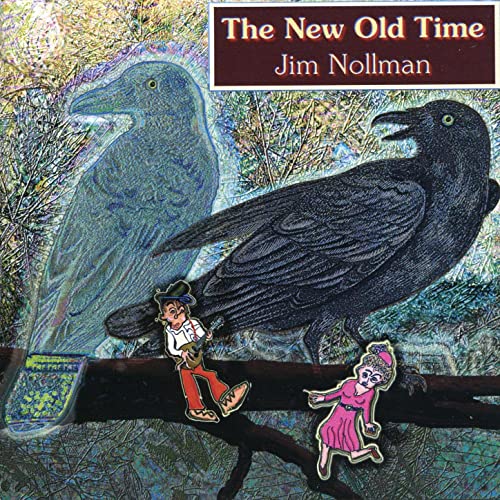
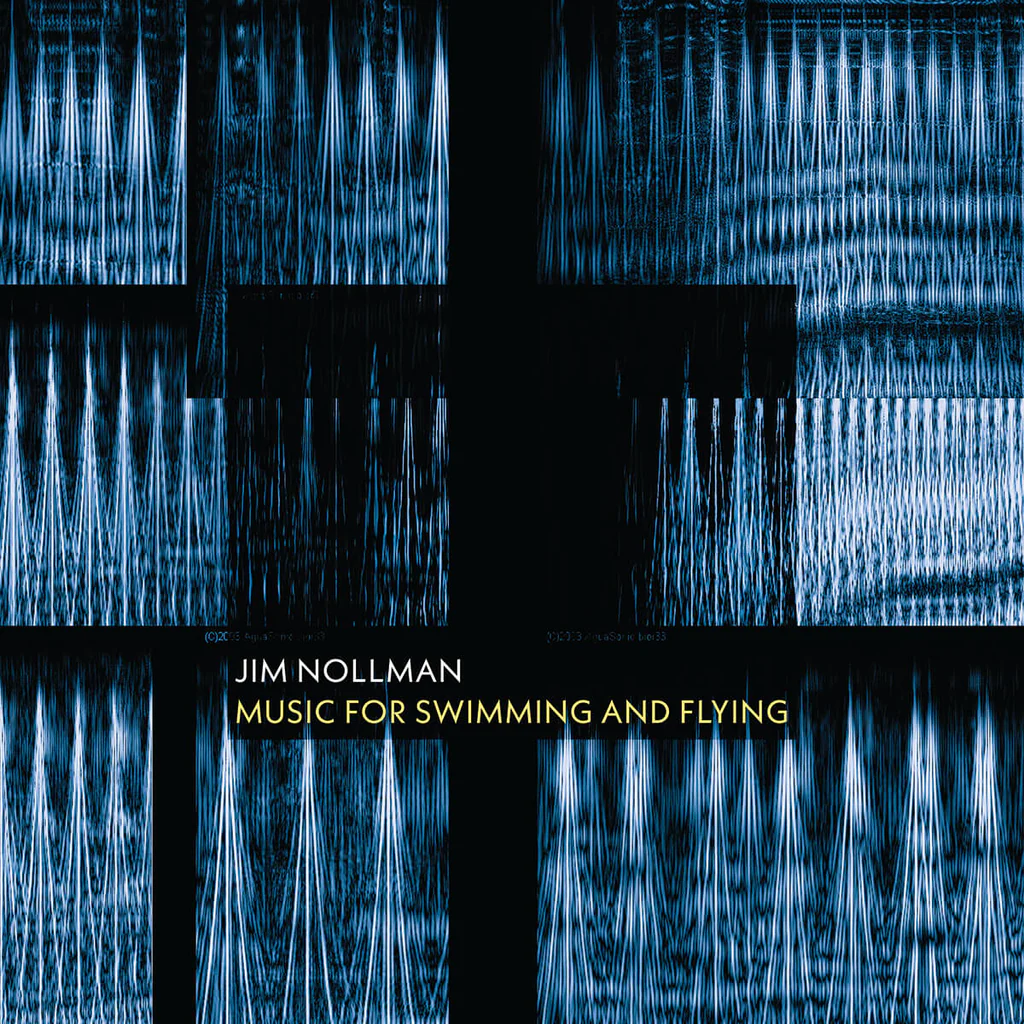
Interspecies musical output includes techno, field recordings, collaborations with turkeys, wolves, and tropical birds, underwater music, old time mandolin, and songs.
Recordings have been issued with various labels around the world including Smithsonian Folkways Recordings, Other Minds, Red Newt, and Rural Situationism, as well as numerous compilations and self-released collections.
Musical Philosophy
As far back as Genesis, western Man has nearly always depicted the animals as something less than human; placed upon the Earth for man's utility and enjoyment. But what was, at best, a dubious ethic for the ancients; as of late, with the advent of overpopulation and technological proliferation, become our very undoing. We humans are a species in control of our environment; yet seriously out of sync with the currents of the Natural Order. Lately we have been directly responsible for sending species after species into the oblivion of extinction, without a clue about how to halt the descending spiral.
Over the past twenty years, as the environmental movement gained steam, many of us have become quite aware that something drastic must be done. Yet all too often the activities of the various organizations flying the environmental banner seem like so many Dutch boys with a finger in the dike as water pours over him from above. Short-term animal saving campaigns certainly postpone the slaughters of the moment, but all too often offer no long- term solutions or even much hope. They purvey gloom. Certainly we need to continue such campaigns; after all they do save particular species during a period of crisis. But concomitantly, we need to develop all-encompassing educational tools which will effectively alter Mankind's attitude towards the animals. We need a universal Ethic, and we need it now; so that the next generations may replenish the world of their forebears.
Perhaps the most farsighted and accurate environmental Ethic is that known as Interdependence. Simply defined: all of the species, resources, and functions of the Earth aid and abet the growth and continuity of all the rest. Life on Earth is thus a complex web of interdependent causes and effects. Poison the insects and you kill the fish, the soil , and the predatory birds. Eventually, giVen enough time, Man himself, succumbs. That is the bad news of Interdependence. But there is also much good news.
Since all the creatures are interdependent with us as well as with one another, we must begin to meet and acknowledge them with a bit more dignity than humanity has ever yet considered. Within this worldview, Man is no longer the crown of creation – nature itself is the crown. Likewise, eVery creature possesses an independent intelligence separate from, yet totally integrated with human intelligence. The world itself can only be perceived as a unity upon which we all live and die, grow and collaborate. Buckminster Fuller has rightly called it "Spaceship Earth".
If these ideas at first seem a bit overblown and even precious, remember that Interdependence is the very cornerstone of natural law. If this law can somehow be transmuted into a human societal ethic, it becomes an important tool for forever altering the destructive course of modern exploiting human society. Likewise, any activity which promotes the interdependent worldview demands serious consideration and promotion.
Interspecies Music as developed by Jim Nollman, clearly promotes an interdependent relationship with the creatures of planet Earth. Music is communication; certainly more universally understood than any single human language, and, arguably, as profound. Interspecies music expresses the clear and simple example of humans attempting to communicate directly with other living creatures. Like any music it communicates the energy exchange of harmony. And like any successful harmony, the exchange is sustained as long as the participants coexist in the here and now.
What this suggests in actual practice is that the human must first acknowledge the other animal as his or her equal. In many cases the human must sit with the animal as a student sits with a teacher. Interspecies music is certainly one of the most direct methods yet developed within the framework of human artistic endeavor, for expressing the crucial ethic of interdependence.
Support
The goal of Interspecies focused on developing wilderness programs for working artists to co-create and expand upon an aesthetic based on communicating and collaborating with animals, habitat, and the natural world.
While Interspecies is no longer active, the organization's pioneering approach to the arts has finally entered the mainstream. Its practitioners are now abundant. Please consider supporting the artists, scientists, researchers, activists, and indigenous communities continuing this important work. For more information, email beluga@interspecies.com.
Special thanks to Jim and Katy Nollman, The Smithsonian Institution, Internet Archive, Cactus Store, the Washington State Department of Transportation, The Orca Inn, and the fine people of Friday Harbor for their invaluable contributions, guidance, and hospitality.
This site and archive was designed and executive produced by Nonhuman Teachers with the generous support of Rhizome.
Contact
For information about Interspecies and other on-going projects, please subscribe to the Nonhuman Teachers mailing list.
For comments or questions email beluga@interspecies.com.